
PennMed’s Matthew Toal spoke with Juan Alvarez about the future of therapies for diabetes.
Electronic Mesh Spurs Islet Cell Maturation, Could Aid Diabetes Care:A new electronic implant system can help lab‑grown pancreatic cells mature and function properly, potentially providing a basis for novel, cell-based therapies for diabetes.

Penn Today spoke with Shelley Berger, who has appointments in the Perelman School of Medicine and the School of Arts & Sciences; Zhihui Zhang, a postdoctoral researcher in her lab; and Sinem Esra Sahingur, an associate professor in the Penn Dental Medicine’s Department of Periodontics, to better understand senescence,

Red blood cells, long thought to be passive bystanders in the formation of blood clots, actually play an active role in helping clots contract, according to a new study from researchers at the University of Pennsylvania. Read about the study, co-authored by Rustem Litvinov, senior researcher in the Weisel Lab,

Shelly Berger is studying how genes are turned on and off in the brain, and how different patterns of gene activation could be related to Alzheimer’s disease. Her research is highlighted in this Forbes magazine article.
Research led by by Raffaella Nativio, former research associate in the Berger Lab, Shelley Berger, Daniel S Och Professor and director of the Epigenetics Institute, and Nancy Bonini, professor of Biology, suggest that late-onset Alzheimer’s Disease is driven by epigenetic changes—how and when certain genes are turned on and off—in the brain.

An experimental study from researchers in the Perelman School of Medicine at the University of Pennsylvania links a specific procedure – embryo culture – that is part of the assisted reproduction process (ART) to placental abnormalities, risk for preeclampsia, and abnormal fetal growth. The team, led by Marisa Bartolemei, PhD,

“Senotherapy,” a treatment that uses small molecule drugs to target “senescent” cells, or those cells that no longer undergo cell division, blunts liver tumor progression in animal models according to new research from a team led by Celeste Simon, PhD. The study was published in Nature Cell Biology.

Penn study uncovers key mechanisms behind embryonic development, moving the regenerative medicine field closer to developing cell therapies. You can find the Penn Medicine News Release here.
A study from Celeste Simon’s lab finds that turning on a key metabolic process could make sarcoma more susceptible to treatment. Here is the Penn Today article about the study.
A team of researchers led by Shelley Berger discovered that a protein called CoREST, a neural repressor that is also found in humans, plays a central role in determining the social behavior of ants. read the Penn Today article here.
A Perelman School of Medicine study led by Shelley Berger shows how acetate travels to the brain’s learning system and alters proteins that regulate DNA function in an animal model. Read the Penn Today article here.
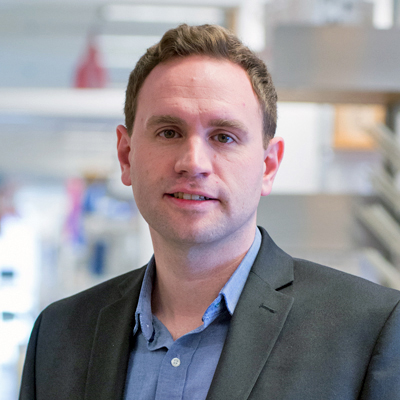
A new study from an interdisciplinary team, including Matt Good, provides a new platform for how drugs could be delivered to their targets in the future. Read the Penn Today article here.
“This is a fundamental change in our understanding of how genes are controlled in the early embryo,” says Ken Zaret, director of the Institute for Regenerative Medicine and a professor of cell and developmental biology, “even if we can’t yet see all the potential clinical impacts.” Read the Penn Today article here.
Marisa Bartolomei shared her thoughts with the Smithsonian.com on a new advancement in mouse breeding. The headline of the article states, “Scientists Break the Rules of Reproduction by Breeding Mice From Single-Sex Parents”. Read the Penn Today article here.
Celeste Simon contributed a Turning Point essay to Nature Cell Biology’s “Focus on Women” issue. The title of her contribution is “Perseverance when the going gets tough”. Read the Nature Cell Biology issue here.
Marisa Bartolomei, a professor of developmental biology at the University of Pennsylvania who studies genomic imprinting, highlighted the study’s “clever and creative” design. “This is the first time we’ve seen that the genes of the fetus affect parental care, irrespective of the mother’s genes,” says Bartolomei, who was not involved in the research.

https://www.nytimes.com/2018/07/26/science/ants-genes-queen.html
The relevant genes, says Bonasio, are involved in numerous bodily functions, making it tough to isolate their role in differentiating queens from workers.
Find the link to the New York Times article here.